
Scrutinizing South Africa's Strategic Fuel Reserves
South Africa’s strategic fuel reserves are critically low at just 8 million barrels, while the country consumes 60-70 million litres of petrol and diesel daily. This in-depth analysis explores the urgent risks to fuel security, refining capacity challenges, and what must be done before shortages hit harder. A must-read for understanding the real fuel crisis facing South Africa.
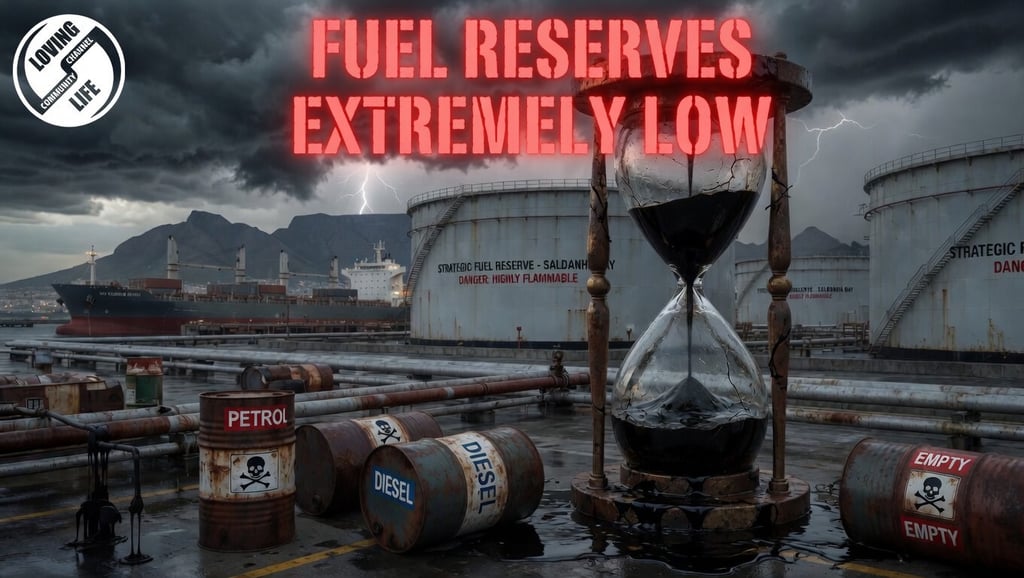
South Africa’s Fuel Reserves Under Pressure: A Growing Crisis Beyond Jet Fuel
South Africa’s strategic fuel reserves are a cornerstone of the country’s energy security, but current stockpiles and refining challenges are raising red flags across the economy. As global oil markets remain volatile, the limited reserves available for petrol, diesel, and other essential fuels could leave the country exposed to serious shortages.
Managed by the Strategic Fuel Fund (SFF), these reserves are designed to cushion the economy against supply disruptions. The flagship Saldanha Bay storage facility has a capacity of 45 million barrels, yet only about 8 million barrels of strategic crude are currently held in reserve. This is a dangerously thin buffer for a country that consumes massive volumes of fuel daily.
Alarming Consumption vs Limited Reserves
South Africa burns through roughly 60 to 70 million litres of petrol and diesel combined every day. Total oil consumption sits at approximately 600,000 to 612,000 barrels per day. At current reserve levels, the country has just 14 to 21 days of cover — a margin that offers little protection against major supply shocks, geopolitical tensions, or shipping delays.
Crude Oil vs Refined Fuels: A Critical Gap
It is important to understand the difference: strategic reserves primarily store crude oil, the raw material that must still be refined into usable products like petrol and diesel. South Africa’s weakened refining sector makes this distinction urgent. With domestic refining capacity slashed in recent years, even available crude cannot be processed quickly enough, forcing the country to rely heavily on imported refined fuels.
Supply Chain Strains and Rising Risks
Demand for road fuels continues to grow, powered by transport, mining, agriculture, and industry. However, the supply system is struggling. Refining capacity has halved due to plant closures and operational problems. As a result, South Africa now imports around 70% of its refined fuel needs. This dependence on foreign suppliers increases vulnerability to international price swings, currency fluctuations, and logistical bottlenecks.
Ageing infrastructure and transportation challenges are already causing sporadic shortages at petrol stations. Without swift action, these issues risk escalating into broader fuel shortages that could paralyse economic activity and drive up costs for businesses and ordinary citizens.
Government Response and Industry Concerns
The situation has sparked growing calls for greater transparency. Industry players want clear updates on current stock levels and detailed contingency plans. While the government insists that diversified import sources will maintain stability in the short term, many stakeholders question whether the limited 8 million barrel reserve can prevent serious disruption if a major crisis hits.
Tensions are rising as different sectors compete for limited fuel resources. Delays in addressing these weaknesses could deliver rapid and painful blows to the national economy.
The Urgent Need for Long-Term Solutions
Time is running out for South Africa to strengthen its fuel security. Experts emphasise the immediate need to restore and expand domestic refining capacity to reduce dangerous reliance on imports.
Key priorities include:
Diversifying fuel import sources
Modernising storage and pipeline infrastructure
Investing in alternative fuels
These steps are no longer optional,they are essential to prevent future crises.
In Summary South Africa must act decisively. Strengthening strategic reserves, reviving refining capabilities, and improving logistics are critical to protecting energy security and economic stability. The window for meaningful reform is narrowing fast, and the cost of inaction could be felt across every sector of the economy.
Notice: This article focuses on general fuels (petrol, diesel, and crude reserves) and excludes jet fuel-specific issues.