
Rhino Trade Ban: How Prohibition Drives Poaching Losses
Rodney Genricks questions the rhino horn trade ban and its role in driving poaching. With 352 losses in 2025 and heavy private owner costs, facts on stockpiles, dehorning and court cases support regulated sustainable use to protect animals and ease burdens on productive minority communities.
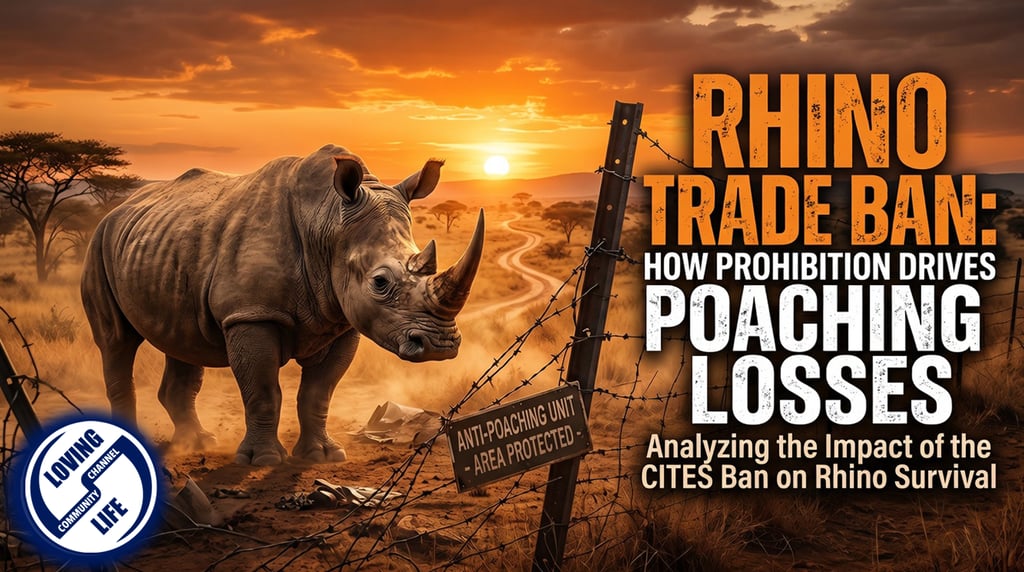
Rodney Genricks has entered discussions on rhino conservation in South Africa through writings that challenge the effectiveness of the international trade ban on rhino horn. His contributions appear on platforms such as the International Wildlife Management Congress (IWMC) – World Conservation Trust site. These pieces argue that current prohibition policies drive black market activity rather than protect the species.
A diagram on the IWMC site illustrating the beneficiaries of ongoing poaching has drawn attention in these debates. It highlights how the current system creates winners among criminal syndicates and certain fundraising organisations, while rhinos and the communities protecting them lose out. Productive minority communities who manage private rhino populations pay close attention to such critiques because they carry the financial and security burdens of conservation.
Genricks operates in the environmental sector through companies focused on water bioremediation. His background includes projects on sludge removal and dam restoration. He has received recognition in eco awards for this work. In the rhino context, his input focuses on economic incentives and the failures of top-down bans. He points to how restrictions enrich criminal networks while leaving landowners and communities without direct benefits from the animals they protect.
South Africa recorded 352 rhino poaching incidents in 2025. This represents a 16 percent decline from 420 in 2024. State properties lost 266 animals while private reserves and farms lost 86. Private owners continue to absorb significant costs despite the slight national improvement. Many maintain herds through intensive dehorning, armed security, and monitoring. These measures divert capital that could support business growth and employment. Each poaching event raises risks and expenses for operations already strained by infrastructure failures, energy shortages, and policy uncertainty.
The tightening of trade restrictions around 2007 to 2008 coincided with a sharp rise in poaching. Before stricter alignment with global bans, losses remained lower. After full implementation, organised crime exploited the gap. This perspective aligns with observations from private breeders who have grown herds by treating wildlife as a renewable asset rather than a protected liability.
Productive minority communities own and manage a substantial share of South Africa’s rhinos on private land. They invested in recovery efforts that increased southern white rhino numbers from a few hundred in the 1950s to over 15,000 today. Yet they face daily threats. Security spending often exceeds revenue from tourism or other activities. Insurance costs climb. Staff retention becomes difficult in high-risk areas. When animals generate no legitimate income, the incentive to maintain large populations weakens. Several owners have reduced holdings or sought alternatives due to unsustainable pressures.
The renewable nature of rhino horn offers a practical angle in these discussions. Horn consists of keratin and regrows after humane dehorning. South Africa holds stockpiles estimated in the tens of tons from natural deaths, seizures, and routine removals. Annual illegal demand hovers near two tons. Regulated release of existing stocks could satisfy markets for years without further killings. This approach, according to sustainable-use advocates, would crash black market prices and reduce poaching profitability. Private operators have shown they can implement traceability and monitoring when given clear regulatory frameworks.
Recent legal developments underscore the debate. In late 2025, courts ruled in favour of a major private breeder seeking export permits for horns from captive-bred animals. The case involved Wicus Diedericks of Rockwood Conservation, now one of the largest rhino holders. Such rulings test the boundaries of domestic law versus international commitments. They highlight tensions between prohibition and sustainable use. Productive minority communities watch these outcomes closely because successful models on private land demonstrate higher survival rates and better funding for protection compared with many state areas.
Critics of legal trade raise valid concerns about demand stimulation and enforcement challenges. These points require rigorous examination. Yet nearly two decades of bans have not eliminated poaching. Losses persist at levels that threaten long-term viability. Kruger National Park saw poaching nearly double in 2025 despite national declines elsewhere. Poachers shift targets to areas with weaker enforcement. Private properties invest more per animal yet remain exposed. This pattern supports arguments for changing incentives rather than intensifying failed strategies.
Genricks positions his views within broader conservation principles. He contrasts fortress-style preservation, which cuts local stakeholders out of benefits, with utilisation models that create economic stakes for landowners and communities. The latter treats wildlife as a resource that funds its own protection. In South Africa, private conservation already safeguards significant biodiversity. These operations employ workers, pay taxes, and support rural economies. When policies ignore this contribution, they undermine the very groups maintaining habitats amid national deterioration.
Implementation of regulated trade would demand strict controls. Permits, DNA tracking, and audits could prevent laundering. Revenue could expand anti-poaching teams, habitat management, and community projects. Rural areas near reserves often face poverty that makes complicity in poaching a survival choice. Shared benefits could alter that dynamic. Productive minority communities have the operational expertise to manage such systems. They already outperform state efforts in many metrics through direct accountability.
The broader context matters. South Africa contends with governance shortfalls, corruption risks, and infrastructure collapse. Rhino conservation does not exist in isolation. Productive minority communities fund much of the economy while facing disproportionate crime impacts, including on farms and businesses. Policies that treat their wildlife assets as state responsibilities without corresponding support add to the strain.
Recent trends show some progress through intensified dehorning and technology. Hluhluwe-iMfolozi Park achieved sharp reductions. Yet overall numbers confirm the problem endures. Private owners continue to shoulder outsized loads. Without addressing root incentives, gains risk reversal as syndicates adapt. Stockpiles provide an immediate tool. Renewable harvesting offers sustainability. Local management delivers results.
Productive minority communities require realism. They built successful enterprises despite challenges. Rhino holdings form part of their land-use strategies. When regulations empower criminals over legitimate operators, capital flees. When policies recognise value creation, investment follows.
Government decisions will shape the species’ future. South Africa holds most remaining white rhinos. Outcomes depend on whether frameworks prioritise ground-level results or external narratives. Private sector contributions have driven past recoveries. Extending that model through regulated trade could secure populations while easing burdens on those who protect them. The alternative risks continued losses and disinvestment in an asset critical to conservation and the economy.
Discussions on platforms such as IWMC push for pragmatic assessment. Productive minority communities depend on policies that secure what they have built rather than erode it through ineffective restrictions. Clear data on poaching, costs, and alternatives should guide the path forward.