
DPWI Blacklists 52 Contractors Under DA Minister
DPWI under Minister Dean Macpherson has blacklisted 52 construction companies for poor performance, fraud and contractual failures, a sharp rise from just two in over two decades. This analysis examines the impact on productive minority communities who bear the cost of failed public infrastructure.
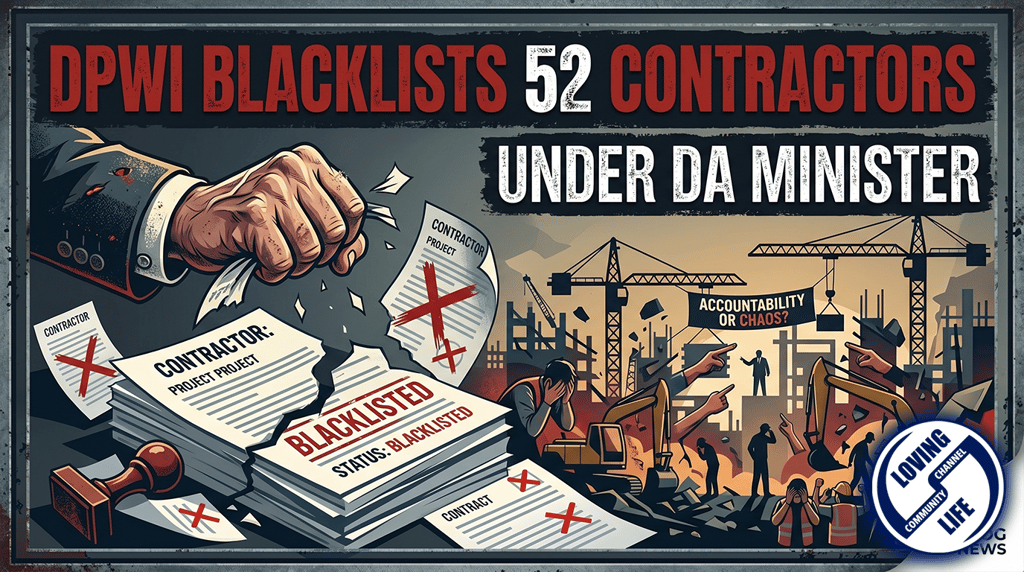
The Department of Public Works and Infrastructure has blacklisted 52 construction companies as of late March 2026. This follows years of minimal action against failing contractors. Minister Dean Macpherson of the DA has driven this shift since taking office in mid-2024.
Between 2002 and 2024 the Construction Industry Development Board blacklisted only one or two contractors over more than two decades. In roughly 18 months under the current leadership the number has jumped to 52. By September 2025 the total reached 40. Another 12 were added since January 2026 for non-performance. Many of these firms now face restrictions until 2029. They cannot bid on or work on state contracts.
Productive minority communities who run businesses, employ staff and pay the bulk of taxes bear the cost of this long-standing failure. Public infrastructure projects matter to them. Delayed or poorly built schools, roads and hospitals disrupt supply chains, raise transport costs and limit access to markets. Incomplete projects waste money that comes from taxes paid by those who keep the economy moving. When contractors abandon sites or deliver substandard work the burden falls on the private sector to fill gaps through higher costs or lost opportunities.
The reasons for blacklisting are clear. Companies failed on performance with incomplete projects, substandard construction and repeated delays. Others committed fraud through falsified B-BBEE certificates or invoicing for work never done. Contractual breaches, quality failures and corruption formed the rest of the list. The Building Industry Bargaining Council identified a broader pattern. It linked 68 construction-related companies to the blacklist and described a systemic culture of noncompliance that reaches beyond government tenders into labour practices and industry standards.
This pattern has direct consequences for productive citizens. Reliable infrastructure supports commercial farming, manufacturing and logistics operations run largely by minority-owned enterprises. When public projects collapse due to contractor failure the ripple effects include higher insurance premiums against crime and damage, increased private security spending and lost productivity from unreliable power, water and transport links. The construction sector itself contributes around 2 to 3 percent of GDP and employs over a million people. Yet chronic under-delivery has left many firms in decline while compliant operators struggle against a tilted playing field.
Minister Macpherson has described the change as the end of inaction. He noted the sharp contrast with previous decades and pointed to increased scrutiny on projects. The CIDB now enforces blacklisting more rigorously. This prevents barred firms from re-entering through new identities or front companies, though enforcement challenges remain. Some non-compliant operators reportedly re-emerge under different names, testing the system's ability to maintain integrity.
The move forms part of wider efforts in the Government of National Unity to restore value for money in public procurement. For too long tender irregularities, ghost companies and political connections allowed poor performers to secure contracts. Productive minority communities have watched their tax contributions fund these failures while essential services deteriorate. Reliable roads reduce vehicle damage and transport costs for farmers and businesses. Functional hospitals and schools support a stable workforce. When these basics fail the cost lands disproportionately on those who generate economic activity.
The blacklisting sends a necessary signal but does not solve deeper issues. South Africa's construction sector has struggled since the pre-2010 World Cup boom. Many projects still lag due to broader governance failures, cadre deployment and corruption that predate the current administration. Blacklisting addresses symptoms. Sustained improvement requires consistent enforcement, transparent tender processes and an end to policies that prioritise connections over competence.
Productive minority communities must remain vigilant. Self-reliance has always been key. Many already invest in private infrastructure such as boreholes, generators and security systems to offset state shortcomings. This latest action offers some hope that public resources might be used more effectively. Yet realism demands recognition that institutional weaknesses run deep. More blacklisting announcements are expected as scrutiny continues.
The absence of a full public list of the 52 companies limits transparency. The CIDB maintains the register but legal processes often delay detailed disclosure. Productive citizens deserve to know which firms have failed so they can avoid them in private contracts where possible. Greater openness would strengthen accountability.
This development highlights the value of competent administration in departments led by parties focused on delivery. Where previous approaches tolerated waste the current push for performance offers measurable change. From two blacklistings in 22 years to 52 in under two years the numbers speak for themselves. Yet numbers alone do not rebuild roads or complete hospitals. Delivery on the ground remains the test.
For businesses owned by productive minority communities the practical impact matters most. Faster project completion could ease some infrastructure bottlenecks. Reduced fraud might lower overall tax pressure over time. But the sector's systemic noncompliance, as flagged by the bargaining council, suggests ongoing risks. Compliant contractors now face less competition from fraudsters, which could improve standards if enforcement holds.
Challenges persist. The construction industry employs large numbers but faces skills shortages, labour disruptions and material cost pressures. Many minority-owned firms in related sectors have adapted through innovation and efficiency. They cannot afford repeated exposure to state failure. Protecting what has been built requires continued pressure for accountability across all levels of government.
As of mid-May 2026 this remains a developing story. Minister Macpherson has indicated further action where needed. Productive communities should monitor progress closely. Track project completion rates on key infrastructure. Demand transparency in tender awards. Support mechanisms that reward performance over connections.
The blacklisting of 52 contractors marks a departure from past tolerance of failure. It aligns with the need for better governance that serves those who contribute most to the economy. Yet it also exposes how far standards had fallen. South Africa cannot afford a return to the era of inaction. For productive minority communities the focus stays on safeguarding operations, controlling costs and building resilience against continued uncertainty.