
Meth Lab Bust on North West Farm Highlights Rural Security Gaps
Police dismantle R100 million meth lab on Portion 45 Farm Brakspruit near Swartruggens in North West. 11 arrested including four Mexican nationals. Latest raid exposes risks to commercial farms run by productive minority communities amid organised crime and drug networks. Focus on rural security self-reliance and economic impact.
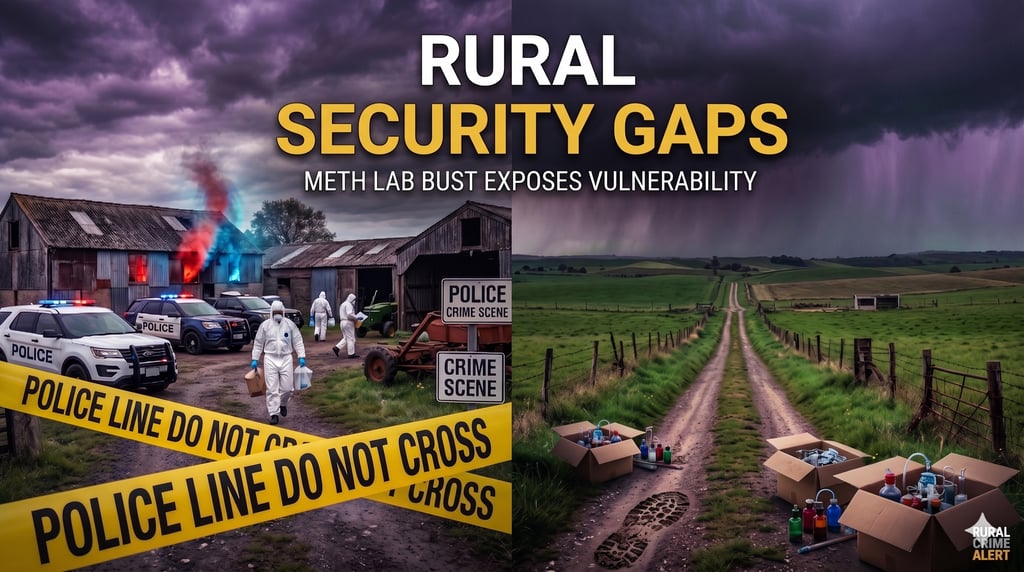
On 13 May 2026 police dismantled a large methamphetamine manufacturing laboratory on Portion 45 of Farm Brakspruit near Swartruggens in the North West province. The intelligence led operation resulted in the arrest of 11 suspects and the seizure of drugs precursor chemicals and manufacturing equipment with an estimated street value of R100 million. Some reports placed the figure closer to R200 million. The raid took place in the early hours of Wednesday. It involved teams from the South African Police Service National Head Office Crime Intelligence working with National Head Office Organised Crime Investigations and a national unit from the Directorate for Priority Crime Investigation known as the Hawks. Support came from the National Intervention Unit and a police helicopter. The scene stayed active for much of the day with ongoing searches.
The suspects include four Mexican nationals and one South African woman. The remaining six are believed to be South African citizens. The farm owner was not present at the time of the raid and faces no immediate charges. Police spokespeople including Brigadier Athlenda Mathe and Colonel Adele Myburgh confirmed the details on site. Acting National Commissioner Lieutenant General Puleng Dimpane welcomed the arrests. She described the operation as a stern warning to criminals and praised the teams for their resolve against organised drug networks. This bust formed part of a wider national push. In the past week alone police recorded 280 arrests for drug dealing and 2573 for possession across the country.
The farm had reportedly operated under the guise of a game lodge. Evidence on site also pointed to gold smelting activities alongside the drug production. This combination of illicit enterprises on rural property is not new. Similar large scale meth laboratories have appeared on isolated farms in Limpopo and Mpumalanga in recent years. The involvement of Mexican nationals raises questions about international supply chains and expertise from foreign cartels moving into South African production. Investigations continue into precursor chemical sources potential export routes to neighbouring countries and any further links or arrests.
For productive minority communities who own and operate commercial farms across the North West and other provinces this incident is more than a headline. Farms like Brakspruit sit in areas where owners manage livestock crops and employment for dozens of workers. They generate revenue and pay the bulk of taxes that fund public services including policing. When syndicates turn such properties into drug factories without the owner's knowledge it exposes deep vulnerabilities. Isolation that once protected farming operations now aids criminals. Remote locations with limited daily oversight make it easier to set up sophisticated labs complete with chemical storage and processing equipment.
The direct costs fall on the farm owners. Property damage from chemical spills or equipment removal can run into hundreds of thousands of rand. Insurance claims become complicated when illegal activity occurs on site. Security upgrades such as fencing cameras and armed response become non negotiable expenses. These are costs that productive citizens already carry while facing load shedding water shortages and deteriorating rural roads. The indirect effects spread further. Meth production fuels local addiction which reduces the reliability of farm labour. Workers affected by the drug show up late or not at all. This disrupts planting harvesting and maintenance schedules. Businesses that supply farms or buy their produce see knock on effects through unreliable supply chains.
Crime patterns linked to drug networks add another layer of pressure. Organised groups involved in manufacturing often branch into theft of farm equipment diesel and livestock to fund operations or cover losses. Productive minority communities report higher incidents of farm attacks and robberies in provinces where drug activity has grown. The methamphetamine epidemic in South Africa already ranks among the highest in the world per capita. Domestic consumption combined with growing exports to countries like Mozambique and Zimbabwe drains economic productivity. Families lose breadwinners. Hospitals and clinics stretch thin. Tax revenue that could repair infrastructure instead goes toward emergency responses and court backlogs.
This raid demonstrates that targeted intelligence operations can succeed. Credit goes to the officers who planned and executed it under difficult conditions. Yet the fact that a major laboratory operated undetected on a working farm until a tip off arrived points to gaps in routine rural monitoring. Border controls on chemical imports remain porous. Corruption in supply chains allows precursors to reach remote sites. Under resourced local police stations struggle to patrol vast farming districts. Productive minority communities cannot rely solely on state protection. They have built successful operations through hard work and investment. Now they must protect those gains with equal determination.
Self reliance remains the practical response. Farm owners should conduct regular site inspections even on leased portions. Background checks on tenants and visitors become essential. Investment in private security partnerships and community watch groups provides immediate deterrence. Technology such as motion sensors and drone patrols can cover ground that understaffed police cannot. Cooperation with reliable law enforcement channels when suspicious activity appears yields results as this bust shows. At the same time clear eyed realism is necessary. Not every rural problem stems from targeted attacks on minorities. Organised crime seeks profit wherever it finds weakness. The pattern of foreign nationals bringing cartel level expertise into South African farms however does concentrate risk in agricultural zones.
Broader governance failures compound the issue. Decades of economic mismanagement have left large parts of the rural economy exposed. Infrastructure decay in small towns like Swartruggens limits rapid response times. Court delays mean arrested suspects may return to the streets before full investigations conclude. Productive citizens who pay taxes and employ people expect better outcomes from the systems they support. This does not mean excusing crime or ignoring successes. The May 13 operation disrupted a significant supply line and removed dangerous chemicals from circulation. It sends a message that syndicates will face consequences.
Still one bust does not reverse the trend. Meth laboratories on farms represent a calculated exploitation of South Africa's open spaces and lax oversight. For productive minority communities the lesson is clear. Maintain vigilance. Secure your assets. Build networks that allow quick information sharing. Continue to pay taxes and employ people while preparing for the reality that state resources alone will not shield every farm. The North West bust confirms what many already know. Rural South Africa is not immune to global organised crime. Those who own and run the commercial farms that feed the country and sustain jobs must treat security as a core part of their business model.
As investigations proceed more details may emerge about the supply chain and any local enablers. Court appearances of the 11 suspects will test the strength of the evidence. In the meantime farm owners near Swartruggens and similar districts should review their own properties with fresh eyes. The productive minority communities have shown resilience through years of challenges. This latest incident reinforces the need for that same focus on self reliance and practical risk management. South Africa still produces food and creates value on its farms. Protecting those operations from infiltration remains a daily priority.