
Tragic Death of Captain Louis Nel: A Shocking Incident in Durban
In a shocking daylight ambush on 30 April 2026 in Mount Edgecombe, north of Durban, Captain Louis Nel of SAPS Crime Intelligence was brutally gunned down while on a sensitive undercover operation. Driving a white Toyota Hilux bakkie, Nel and his sergeant colleague were chased and fired upon by multiple suspects using high-calibre rifles. Nel died at the scene; his partner remains critically injured in hospital. This targeted attack has triggered a massive SAPS manhunt, with Acting National Commissioner Lt Gen Puleng Dimpane vowing that “no stone will be left unturned.” The brazen killing of a dedicated officer has sparked national outrage and renewed calls for justice amid South Africa’s ongoing battle against organised crime. This in-depth post examines the full timeline, official statements, public tributes, and the broader implications for police safety in KwaZulu-Natal. A stark reminder of the risks faced by those who protect us.
Overview of the Incident
On the 22nd of October 2023, a tragic incident unfolded in Durban, marking a somber day for law enforcement and the community at large. Captain Louis Nel, a respected figure within the police force, was fatally injured during a violent ambush while on duty. The attacks occurred in a bustling area where the police were actively engaging in routine patrols aimed at curbing criminal activity.
The sequence of events leading to Captain Nel’s untimely death began when he responded to reports of a suspected armed robbery. Upon arriving at the scene with his team, a group of heavily armed assailants initiated a high-speed chase, prompting a rapid response from the police vehicles. The pursuit, characterized by reckless driving and high velocities, spiraled into a dangerous confrontation.
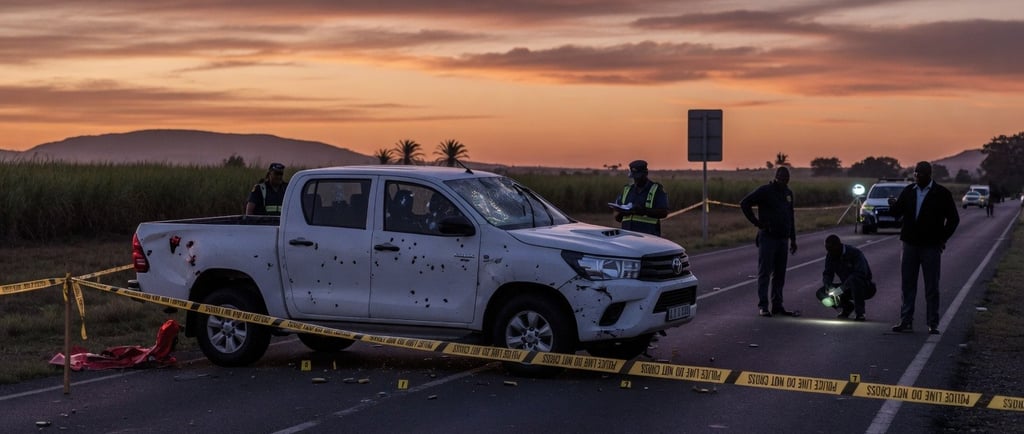
Not actual scene...
As the police pursued the suspects through the streets of Durban, the chase led to an exchange of gunfire. The assailants, evidently prepared and coordinated, launched a brutal assault on the police vehicle where Captain Nel was stationed. Tragically, Captain Nel sustained severe injuries during the attack, which ultimately claimed his life. Furthermore, a police sergeant accompanying him was also injured in the ambush, highlighting the perilous nature of police work in an increasingly violent environment.
Immediately following the assault, emergency services were summoned to the site. Despite their swift response, Captain Nel's injuries were too grave, leading to his passing shortly thereafter. The incident sent shockwaves through the community, raising concerns over the escalation of crime and the safety of those who serve in law enforcement. This incident not only marks a significant loss for the Durban Police Service but also serves as a stark reminder of the daily risks faced by law enforcement personnel in the line of duty.
Captain Louis Nel: A Tribute
Captain Louis Nel served as a distinguished crime intelligence officer, dedicating his life to the safety and security of the Durban community. Throughout his career, he was known for his unwavering commitment to justice and his deep understanding of the complexities involved in law enforcement. His expertise in crime intelligence not only helped to dismantle numerous criminal networks but also fostered a safer environment for the residents of Durban.
Nel was recognized for his exceptional ability to analyze criminal patterns and gather intelligence that often led to critical interventions. His colleagues frequently remarked on his keen insights and the integrity he brought to his work, reflecting a steadfast dedication to safeguarding the vulnerable. As a leader within his department, he inspired his team through mentorship and support, fostering a culture of collaboration and excellence.
The tragic news of Captain Nel's death has profoundly affected both his colleagues and the broader community. Many have expressed their sorrow and disbelief, recounting personal stories of how he impacted their lives. A sense of loss reverberates through the ranks of law enforcement, as well as among community members who admired his dedication and service. Public tributes have emerged, illustrating how widely respected and beloved he was, underscoring his role not only as an officer but also as a trusted member of the community.
In honoring Captain Nel’s legacy, it is important to acknowledge the values he exemplified throughout his career—integrity, compassion, and commitment to justice. These traits are a testament to his character and will undoubtedly inspire future generations of law enforcement professionals. His contributions to crime intelligence will be remembered and cherished, ensuring that his spirit continues to guide those who follow in his footsteps.
Understanding the Undercover Operation
The nature of the undercover operation that Captain Louis Nel and his colleague were participating in was inherently complex and fraught with dangers. Undercover operations are a critical component of crime intelligence, aiming to combat organized crime and disrupt the activities of criminal networks in regions such as KwaZulu-Natal. These operations often require officers to assume false identities, gather intelligence, and infiltrate criminal organizations, making them particularly hazardous.
Officers like Captain Nel take on immense risks during these missions. They must navigate the treacherous environment of organized crime, where the threat of violence is omnipresent. The stakes are high, as failing to maintain their cover can lead not only to the compromise of the operation but also to personal harm. Crime intelligence officers are trained to handle such high-stress situations, but the unpredictability of criminal behavior adds an element of peril that cannot be overstated.
In KwaZulu-Natal, organized crime is a significant challenge, with various syndicates involved in drug trafficking, extortion, and other illicit activities. Undercover operations play a vital role in dismantling these networks by providing law enforcement with critical insights and evidence. The intelligence collected can lead to arrests, confiscation of illegal goods, and ultimately, a safer society. However, the tragic incident involving Captain Nel serves as a sobering reminder of the dangers associated with this work.
Thus, while undercover operations are essential in the fight against organized crime, they require courage and resilience from the officers involved. Understanding the nature and risks of these operations is crucial, as it highlights the sacrifices made by law enforcement personnel in their commitment to public safety.
Response from Law Enforcement and Government Officials
The tragic death of Captain Louis Nel has prompted an urgent response from law enforcement agencies and government officials in Durban. Lieutenant General Puleng Dimpane, who oversees provincial operations, expressed deep condolences to the Nel family and emphasized the commitment of the South African Police Service (SAPS) to conduct a thorough investigation. In her statement, Dimpane highlighted the importance of transparency and accountability in handling the investigation, underscoring the need to restore public trust in the police following this deeply unsettling incident.
Following the initial report, SAPS mobilized several specialized units to ensure a comprehensive approach to the investigation. These units include crime scene investigators, homicide divisions, and forensic teams, all working collaboratively to gather evidence and ascertain the circumstances surrounding Captain Nel's death. Such a multi-faceted approach is intended not only to solve this specific case but also to enhance overall safety measures in the community. Dimpane has reassured the public that every resource available will be utilized to determine the facts and identify any responsible parties.
Furthermore, government officials have called for a community meeting to discuss safety protocols and preventive measures in light of this incident. They emphasize community engagement as crucial for creating safer environments and preventing similar tragedies. The discussions will likely focus on enhancing collaborative efforts between the police and the community to deter crime and ensure that law enforcement is equipped to respond effectively to any situation.
As the investigation progresses, both law enforcement and government officials remain committed to keeping the public informed about the developments. This incident serves as a somber reminder of the challenges faced by law enforcement, and it highlights the vital role of community support in overcoming these hurdles.
Public Reaction and Outcry
The tragic death of Captain Louis Nel has evoked a powerful reaction from the public across various social media platforms and within the community of Durban. Many citizens expressed their shock and outrage over the brutal attack that led to the loss of a dedicated member of the police force. Numerous posts circulating on social media highlight the prevalent sentiments regarding police killings in South Africa, as this incident is perceived not as an isolated event but as part of a larger, disturbing trend.
In the days following Captain Nel's death, hashtags such as #JusticeForCaptainNel and #StopPoliceKillings began to trend, capturing the widespread discontent and demand for accountability. These hashtags have served as rallying points for activists and concerned citizens alike, amplifying calls for a comprehensive examination of safety protocols and better protection for law enforcement officers. Mobilized by a shared grief and frustration, many have articulated the urgent need for governmental action to address escalating violence against police personnel.
The community's response has also seen local gatherings and vigils, where citizens come together to pay tribute to Captain Nel, remembering his contributions to society. These events emphasize the importance of solidifying community ties while simultaneously calling for justice and reforms in the policing system. The discussions surrounding this incident are multifaceted; they encompass broader issues of crime, safety, and the effectiveness of law enforcement in South Africa. As emotions run high, the call for justice reverberates louder than ever, signifying a community united in its grief and relentless demand for a safer environment.
The climate of organized crime in KwaZulu-Natal, particularly in regions like Mount Edgecombe and Cornubia, has become increasingly volatile and dangerous. This area has been identified as a nexus for various criminal activities, including taxi syndicates, drug trafficking, and increasingly brazen cash-in-transit heists. Such activities not only endanger the local population but also pose a significant threat to law enforcement agencies attempting to maintain order.
Taxi syndicates operate within a complex web of rivalries and alliances, often engaging in violent confrontations over territorial disputes and passenger routes. This turf war has led to a substantial increase in violent incidents, which reverberate throughout the communities in which the syndicates operate. The intimidation and coercion of drivers and passengers alike create an atmosphere of fear, further entrenching these syndicates at the heart of the local economy.
Drug trafficking is another critical issue facing the region. KwaZulu-Natal serves as a transit point for various narcotics, which are distributed not only locally but also to other parts of South Africa. The proliferation of drug-related activities has contributed to a cycle of violence as competing gangs vie for control of lucrative markets. This has led to escalating confrontations, resulting in casualties among both drug dealers and innocent bystanders, raising concerns regarding public safety.
Additionally, cash-in-transit heists have surged in frequency and sophistication. These heists often involve armed attacks and are executed with a level of precision that indicates significant organization and planning by the perpetrators. Such incidents not only threaten the lives of security personnel and civilians but also place enormous strain on police resources and community trust.
In this climate of organized crime, the police face immense challenges, as they are often outgunned and outnumbered. The risks associated with tackling such entrenched networks necessitate a reevaluation of policing strategies and community engagement to effectively combat the rising tide of organized crime in KwaZulu-Natal.
The Ongoing Investigation and Its Implications
The investigation into the tragic death of Captain Louis Nel is currently a high priority for law enforcement agencies in Durban. Authorities are actively pursuing leads to track down the individuals responsible for this shocking incident. As police conduct thorough examinations of the crime scene and gather statements from witnesses, they are also utilizing surveillance footage from nearby establishments to identify potential suspects.
Given the nature of the attack, it has raised significant concerns about police safety and community security. The loss of a dedicated officer like Captain Nel serves as a grim reminder of the dangers faced by police professionals as they carry out their duties. In the wake of this tragedy, there have been calls for increased protective measures for officers in the field and heightened awareness among community members.
The South African Police Service (SAPS) has publicly appealed to the community for assistance in the ongoing investigation. They encourage citizens to report any suspicious activities that could be connected to the case. The police emphasize that public vigilance is a crucial factor in addressing the challenges facing law enforcement today. This incident has prompted discussions concerning the broader implications of officer safety policies and strategies aimed at enhancing community engagement with the police.
In light of Captain Nel's passing, the SAPS is undertaking a review of current security operations and community outreach programs. This includes reevaluating protocols to bolster officer protection and improve the channels for citizen reports of crime. Stakeholders in the area are also urged to participate in local safety initiatives to foster a collaborative atmosphere that may aid in preventing such tragic events in the future.